
The Complete Guide to the Major Arcana Tarot Cards
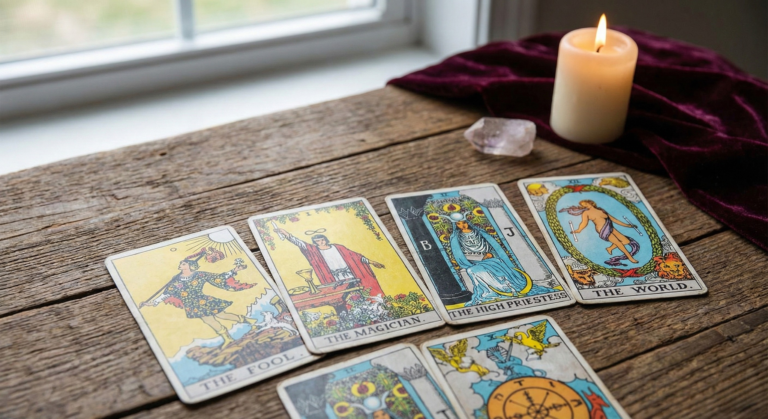
The Major Arcana Tarot Cards are the heart and soul of any tarot deck, representing the profound spiritual lessons that define our human experience. Unlike the Minor Arcana, which focus on daily events, the Major Arcana Tarot Cards act as powerful archetypes, guiding us through life’s most significant turning points—from new beginnings to ultimate enlightenment. Whether you are a beginner or an experienced reader, mastering the deep symbolism of the Major Arcana Tarot Cards is the essential first step to unlocking the true wisdom of the tarot.
Table of Contents
ToggleWhat Is the Major Arcana?
The Tarot deck consists of 78 cards, divided into the Major Arcana (22 cards) and the Minor Arcana (56 cards). The Major Arcana represents universal themes and archetypes that shape our lives. They are often called the “trump cards” because they carry greater weight in a reading, symbolizing life-changing events, spiritual awakenings, or deep psychological shifts.
Each Major Arcana card has associations with astrology, numerology, and elements, making them rich with layered meanings. For example, The Fool (0) symbolizes new beginnings, linked to the planet Uranus, while The Empress (III) represents fertility and abundance, connected to Venus.
The Significance of Major Arcana Tarot Cards in a Spread
When you perform a spread and notice that a significant number of Major Arcana Tarot Cards appear, it is a signal to pay close attention. Unlike the Minor Arcana, which reflect temporary situations or day-to-day fluctuations, a reading filled with Major Arcana Tarot Cards suggests that you are undergoing a major life transition or a critical spiritual lesson. These cards indicate that the forces at play are deeply karmic and perhaps destined, meaning the outcome is less about your daily choices and more about your soul’s necessary evolution. Understanding the weight of Major Arcana Tarot Cards helps you realize when the universe is asking you to surrender to a bigger plan rather than trying to control the small details.
The Fool (0)
- Astrological Association: Uranus
- Element: Air
The Fool begins the journey of the Major Arcana, representing innocence, spontaneity, and the limitless potential of new beginnings. It is the leap of faith into the unknown, trusting life’s process without fear. Spiritually, it reminds us to embrace adventure with an open heart. Reversed, it may warn of hesitation, recklessness, or naivety.
The Magician (I)
- Astrological Association: Mercury
- Element: Air
The Magician embodies willpower, manifestation, and resourcefulness. With one hand pointing toward the heavens and the other toward the earth, he symbolizes the ability to channel energy into reality. His Mercurial influence highlights intellect and communication. When reversed, the Magician warns of manipulation, trickery, or misuse of power.
The High Priestess (II)
- Astrological Association: The Moon
- Element: Water
The High Priestess represents mystery, intuition, and the hidden knowledge that comes from within. She is the keeper of secrets and the guide to the subconscious. Her lunar connection deepens the emphasis on cycles, intuition, and dreams. In a reversed position, she may point to suppressed intuition or undisclosed truths.
The Empress (III)
- Astrological Association: Venus
- Element: Earth
The Empress embodies fertility, abundance, and creativity. She is a nurturing figure who symbolizes love, growth, and connection to nature. Venus brings beauty and harmony to her energy, encouraging the embrace of life’s pleasures. Reversed, she may signal creative blocks, dependency, or stagnation.
The Emperor (IV)
- Astrological Association: Aries
- Element: Fire
The Emperor represents authority, stability, and protection. His Aries influence emphasizes discipline, courage, and the determination to build solid foundations. Spiritually, he stands for order and responsibility. In reverse, this card may indicate domination, rigidity, or abuse of power.
The Hierophant (V)
- Astrological Association: Taurus
- Element: Earth
The Hierophant is the teacher and spiritual guide of the Tarot. He represents tradition, belief systems, and the wisdom of institutions. The Taurean energy highlights values, stability, and devotion. Upright, it calls for learning and guidance from established sources; reversed, it may caution against dogma or blind conformity.
The Lovers (VI)
- Astrological Association: Gemini
- Element: Air
The Lovers symbolize harmony, choices, and the unification of opposites. While often linked to romantic love, this card also represents alignment with one’s values and higher self. Gemini’s dual nature highlights communication and the importance of conscious decision-making. Reversed, it may suggest imbalance, disharmony, or difficult choices.
The Chariot (VII)
- Astrological Association: Cancer
- Element: Water
The Chariot stands for victory, determination, and direction. It represents triumph through willpower and discipline, even when navigating opposing forces. Cancer’s emotional depth provides resilience and protective instincts. Reversed, the Chariot may indicate lack of focus, control, or forward momentum.
Strength (VIII)
- Astrological Association: Leo
- Element: Fire
Strength reflects courage, patience, and compassion. The gentle taming of the lion illustrates control through grace rather than force. Leo’s fiery influence adds vitality, heart, and bravery. Reversed, Strength can indicate self-doubt, insecurity, or misuse of personal power.
The Hermit (IX)
- Astrological Association: Virgo
- Element: Earth
The Hermit symbolizes wisdom, solitude, and introspection. Carrying a lantern, he lights the way to inner truth. Virgo’s analytical influence encourages reflection and discernment. Reversed, the Hermit may suggest withdrawal, loneliness, or avoidance of introspection.
Wheel of Fortune (X)
- Astrological Association: Jupiter
- Element: Fire
The Wheel of Fortune represents fate, cycles, and the ever-changing nature of life. Jupiter’s expansive energy brings growth, opportunities, and luck. Spiritually, it teaches acceptance of change and trust in divine timing. When reversed, it may suggest resistance, stagnation, or unforeseen setbacks.
Justice (XI)
- Astrological Association: Libra
- Element: Air
Justice embodies truth, fairness, and accountability. It calls for balance and integrity, aligning closely with Libra’s values of harmony and equality. In spiritual terms, it reflects karmic balance and moral responsibility. Reversed, it may highlight dishonesty, bias, or lack of accountability.
The Hanged Man (XII)
- Astrological Association: Neptune
- Element: Water
The Hanged Man signifies surrender, perspective, and sacrifice. Hanging upside down, he shows the value of seeing life from a new angle. Neptune’s mystical influence emphasizes spiritual awakening through letting go. Reversed, the card may signal delay, indecision, or resistance to change.
Death (XIII)
- Astrological Association: Scorpio
- Element: Water
Death symbolizes transformation, endings, and renewal. Far from literal death, this card marks the closing of one chapter and the rebirth of another. Scorpio’s intensity highlights the cycles of destruction and regeneration. Reversed, it may point to fear of change or clinging to the past.
Temperance (XIV)
- Astrological Association: Sagittarius
- Element: Fire
Temperance represents balance, moderation, and healing. It is the card of spiritual alchemy, blending opposites into harmony. Sagittarius’s wisdom expands this message, guiding us toward integration and wholeness. Reversed, it may reveal imbalance, excess, or impatience.
The Devil (XV)
- Astrological Association: Capricorn
- Element: Earth
The Devil embodies bondage, temptation, and materialism. It reveals the shadow side of human desire and the illusions that keep us trapped. Capricorn’s ambition can turn restrictive when misused, reflecting both control and entrapment. Reversed, the Devil signals release, liberation, or awareness of unhealthy attachments.
The Tower (XVI)
- Astrological Association: Mars
- Element: Fire
The Tower represents sudden change, upheaval, and revelation. Its dramatic energy tears down false structures, often leaving chaos in its wake. Mars’s fiery influence accelerates transformation and liberation. Reversed, it may suggest fear of change or avoidance of necessary upheaval.
The Star (XVII)
- Astrological Association: Aquarius
- Element: Air
The Star shines with hope, renewal, and spiritual inspiration. It offers clarity after the storm of the Tower, guiding us toward healing and optimism. Aquarius’s visionary influence emphasizes innovation, freedom, and collective good. Reversed, it can reflect doubt, despair, or loss of faith.
The Moon (XVIII)
- Astrological Association: Pisces
- Element: Water
The Moon symbolizes dreams, illusions, and the subconscious. It highlights the thin veil between reality and imagination. Pisces’s mystical energy deepens intuition, but can also bring confusion. Reversed, the Moon warns against deception, fear, or misinterpretation of reality.
The Sun (XIX)
- Astrological Association: Sun
- Element: Fire
The Sun radiates joy, success, and vitality. It is a card of clarity and enlightenment, illuminating life with optimism and abundance. Its solar influence reinforces confidence, warmth, and creativity. Reversed, it may indicate temporary setbacks, overconfidence, or diminished enthusiasm.
Judgement (XX)
- Astrological Association: Pluto
- Element: Fire
Judgement signifies awakening, renewal, and higher calling. It invites self-reflection and accountability as we prepare for transformation. Pluto’s energy emphasizes rebirth, karmic lessons, and spiritual awakening. Reversed, it may signal self-doubt, avoidance of responsibility, or stagnation.
The World (XXI)
- Astrological Association: Saturn
- Element: Earth
The World marks completion, wholeness, and achievement. It represents the integration of all experiences, bringing unity and fulfillment. Saturn’s influence ensures that hard-earned lessons are fully realized. Reversed, it may suggest delays, unfinished business, or lack of closure.
Final Thoughts: Mastering the Journey of the Soul
Understanding the deep symbolism of the Major Arcana Tarot Cards is a lifelong journey, as each archetype reveals new layers of wisdom every time it appears in a spread. By studying these 22 powerful keys, you gain more than just a tool for divination; you possess a map for your own soul’s evolution. However, knowing the individual meanings is only the first step. To truly harness their power, you must learn to interpret them in context.
We recommend diving into our step-by-step guide on how to read tarot cards to understand how these powerful trumps interact with the Minor Arcana and different spreads. If you are looking for immediate guidance or want to practice your interpretation skills right now, you can also pull a card using our free tarot reading tool. As you move forward, let the timeless wisdom of the Major Arcana Tarot Cards serve as your compass, navigating you through life’s greatest challenges with clarity and purpose.
Frequently Asked Questions About Major Arcana Tarot Cards
1. What is the main difference between Major and Minor Arcana cards?
The Major Arcana Tarot Cards represent significant life lessons, karmic influences, and major archetypal themes (like The Fool’s journey or The Tower’s upheaval). In contrast, the Minor Arcana cards reflect day-to-day events, temporary emotions, and practical matters. Think of the Major Arcana as the “why” and the Minor Arcana as the “what.”
2. What does it mean if a reading is mostly Major Arcana Tarot Cards?
If your spread is dominated by Major Arcana Tarot Cards, it indicates that you are going through a significant life transition or a period of deep spiritual growth. It suggests that the situation is being driven by larger, perhaps destined forces, rather than just daily choices or fleeting circumstances.
3. Can I do a reading using only the Major Arcana Tarot Cards?
Yes, absolutely. Many readers choose to separate the deck and use only the 22 Major Arcana Tarot Cards when they want to look at the “big picture” of a situation or ask questions about their soul’s purpose. This removes the noise of daily details and focuses purely on the core spiritual lesson.
4. Are there any "bad" cards in the Major Arcana?
Beginners often fear cards like Death, The Devil, or The Tower, but in the context of Major Arcana Tarot Cards, there are no truly “bad” cards. These archetypes represent necessary transformation, the release of illusions, or wake-up calls. They are powerful agents of change that ultimately lead to growth and renewal.
5. Do I need to memorize all the meanings of the Major Arcana Tarot Cards right away?
While it helps to know the keywords, you don’t need to memorize every detail instantly. The Major Arcana Tarot Cards are highly visual archetypes. Start by looking at the imagery—how does The Hermit make you feel? What story is The Lovers telling? Trusting your intuition is just as important as book knowledge.
About the Author
Cosmic Signs Daily Editorial Board
The Cosmic Signs Daily Editorial Board ensures every article is researched, fact-checked, and reviewed for accuracy. Our team relies on precise astronomical data to provide grounded and reliable spiritual guidance.
Follow our journey on Pinterest.
Disclaimer
The information provided in this article is intended for educational and reflective purposes only. Astrology is interpretive and symbolic in nature; it should not be regarded as a guarantee of outcomes. This content does not constitute professional financial, legal, medical, or psychological advice. Decisions remain solely your responsibility. For guidance on specific circumstances, please consult a qualified professional. Read full Terms & Conditions.