
Spiritual Decor: Creating a Sacred Space for Peace and Balance
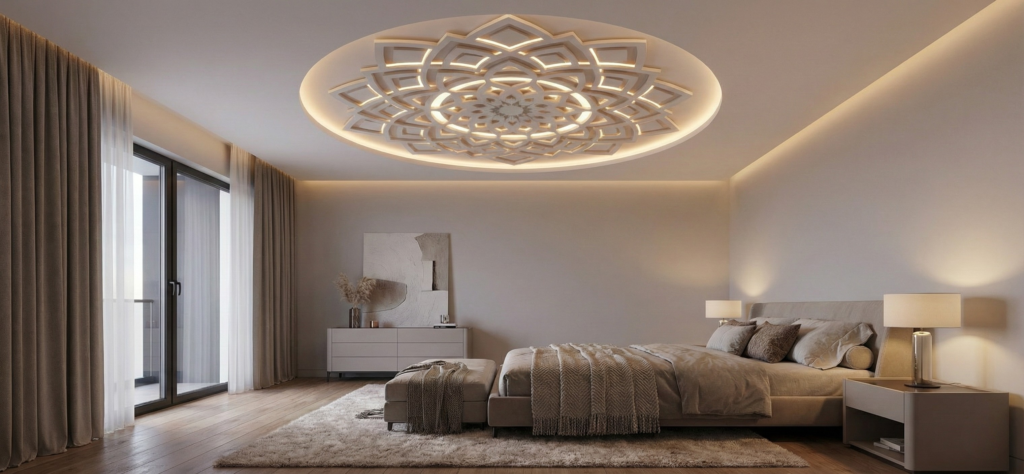
Our homes are much more than physical shelters; they are living reflections of our inner world. The energy, colors, and objects we surround ourselves with silently shape our daily moods, mental focus, and emotional well-being. Spiritual decor is the intentional art of designing your environment to support calm, connection, and clarity.
Whether you live in a bustling city apartment or a spacious suburban house, you can transform your everyday surroundings into a sanctuary that heals and centers your spirit.
Table of Contents
ToggleThe Essence of Spiritual Decor
At its core, spiritual decor is a mindful approach to interior design that harmonizes your physical environment with your internal life. It is not tied to a specific religion or a rigid aesthetic. Instead, it is about curating an atmosphere that feels deeply personal and energetically balanced.
By blending modern design principles with holistic practices, you can create a home that feels both stylish and profoundly grounding. If you are drawn to the minimalist, uncluttered feel of Zen room decor, spiritual decorating takes that concept a step further by layering in personal intention and energetic purpose to every corner of your home.
Core Principles of an Aligned Home
Before buying new items, it helps to understand the foundational principles of designing an energetically balanced environment. These concepts act as your anchor:
-
Simplicity and Flow: Energy needs room to move. A cluttered environment inevitably leads to a cluttered mind. Embrace space as a primary design element, keeping only the items that serve a functional purpose or bring you genuine joy.
-
Natural Elements: Reconnecting with the earth is incredibly grounding, especially in an increasingly digital world. Integrating wood, stone, natural fibers, and living plants helps regulate the energy of a room and brings the calming rhythms of nature indoors.
-
Lighting and Ambiance: Lighting has a direct, biological impact on your nervous system. Prioritize natural sunlight during the day to uplift your energy, and shift to warm, diffused lighting in the evening to support deep relaxation.
-
Meaningful Symbolism: Every object in your home should tell a story or serve an energetic function. Choosing art, patterns, or symbols that resonate with your personal journey turns mere decorations into daily reminders of your highest intentions.
Practical Spiritual Room Ideas
Bringing these concepts into your home does not require a complete renovation. Here are several practical spiritual room ideas to infuse your living space with intention and tranquility:
1. Designate a Reflection Area
You do not need an entire spare bedroom to cultivate mindfulness. Some of the best meditation room ideas center around simplicity: a comfortable floor cushion, a small side table, and a dedicated focal point. Choose a quiet corner, keep the technology out, and let this be the one area in your home strictly reserved for deep breathing, journaling, or quiet contemplation.
2. Anchor the Room with Crystals
Crystals are an essential component of an energetically balanced home. Not only do they serve as stunning natural centerpieces, but they also act as energetic filters. Place grounding stones like Black Tourmaline near your front entryway to block negativity, or keep Rose Quartz in the bedroom to promote a loving, harmonious atmosphere.
3. Utilize Color Psychology
The colors you choose dramatically influence the emotional flow of your home. Earth tones provide grounding and stability, while soft blues and greens promote healing and clear communication. If you are creating a workspace, subtle touches of yellow can inspire joy and creative problem-solving without overwhelming the senses.
4. Integrate Sacred Geometry
Visual patterns hold specific energetic frequencies. Incorporating ancient symbols—like the Flower of Life or a beautifully crafted mandala—into your wall art or textiles can subconsciously center the mind. These symmetrical designs pull scattered energy inward, making them perfect additions to highly active living spaces.
5. Engage the Senses
A true sanctuary engages more than just the eyes. The strategic use of scent and sound can immediately shift the vibration of a room. Diffusing pure essential oils like frankincense or cedarwood, or playing soft frequency-healing music in the background, clears stagnant energy and signals to your body that it is safe to relax.
The Mental Health Benefits
We often underestimate how heavily our environment impacts our psychological health. Designing your home with spiritual principles clears mental clutter and acts as a constant, gentle nudge toward mindfulness. When you light a candle, water your indoor plants, or arrange your space with intention, these small actions become daily mini-meditations that foster profound emotional resilience.
Frequently Asked Questions
1. What is the difference between regular home design and spiritual decor?
While traditional interior design focuses heavily on aesthetics and functionality, spiritual decor prioritizes energy, intention, and emotional resonance. It involves curating your environment with meaningful items to create a sacred space that actively supports your mental and energetic well-being.
2. What are some simple meditation room ideas for beginners?
The most effective meditation room ideas center around minimizing visual distractions. You do not need an entire spare room; you only need a quiet corner, a comfortable floor cushion, and soft, warm lighting. Adding a singular focal point, such as a grounding crystal or a candle, gives the mind an anchor and instantly transforms that small area into a functional sacred space.
3. Can my physical environment really impact my mental health?
Yes, your physical surroundings have a profound effect on your emotional well-being. According to psychological experts, the way a space is organized, decorated, and furnished serves as a powerful mechanism for regulating emotion. For instance, decluttering a room and maximizing natural light can instantly help you feel lighter, calmer, and more focused.
4. How does Zen room decor differ from other spiritual room ideas?
Zen room decor is heavily rooted in minimalism, emphasizing clean lines, natural materials like wood and bamboo, and an absolute absence of clutter to quiet the mind. While other spiritual room ideas might incorporate bold tapestries, elaborate altars, or highly active geometric patterns, the Zen approach relies strictly on simplicity, neutral earth tones, and empty space to cultivate peace.
Curating a Home That Heals
Your home should be your ultimate refuge. By embracing the principles of spiritual decor, you shift your environment from simply functional to deeply magical. Start small—perhaps by clearing a single shelf or dedicating one corner to quiet reflection.
As you grow more comfortable with designing for energy, you can begin to personalize your sanctuary even further. For instance, exploring your zodiac aesthetics and style guide can help you choose specific colors, textures, and elements that perfectly align with your unique astrological blueprint. Additionally, if you want to amplify the vibration of a specific room, learning how to incorporate sacred geometry and ancient patterns into your decor will provide powerful, timeless tools for energetic balance.
Over time, these intentional shifts will naturally transform your house into a beautiful, supportive sacred space.

About the Author
Cosmic Signs Daily Editorial Board
The Cosmic Signs Daily Editorial Board ensures every article is researched, fact-checked, and reviewed for accuracy. Our team relies on precise astronomical data to provide grounded and reliable spiritual guidance.
Follow our journey on Pinterest.
Disclaimer
The information provided in this article is intended for educational and reflective purposes only. Astrology is interpretive and symbolic in nature; it should not be regarded as a guarantee of outcomes. This content does not constitute professional financial, legal, medical, or psychological advice. Decisions remain solely your responsibility. For guidance on specific circumstances, please consult a qualified professional. Read full Terms & Conditions.